
Protein Labeling Reagents


Abnova™ Fluorescent Dye 594-I Succinimidyl Ester
Water-soluble fluorescent dye forms stable peptide bond with protein amino groups
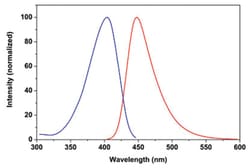
Abnova™ Fluorescent Dye 450-M Succinimidyl Ester (Violet)
Water-soluble fluorescent dye forms stable peptide bond with protein amino groups
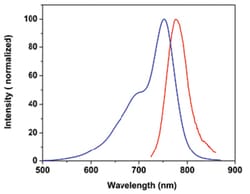
Abnova™ Fluorescent Dye 749-C7 Acid
Cyanine 7 dye conjugates are one type of the most common near infrared red fluorophores used in in vivo imaging applications
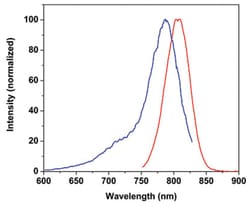
Abnova™ Fluorescent Dye 790-I Amine
Water-soluble fluorescent dye reacting with carbonyl groups
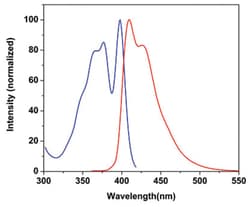
Abnova™ Fluorescent Dye 405-I Succinimidyl Ester
Water soluble fluorescent dye forms stable peptide bond with protein amino groups
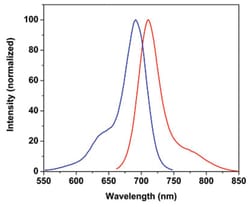
Abnova™ Fluorescent Dye 700-I Succinimidyl Ester
Water-soluble fluorescent dye forms stable peptide bond with protein amino groups
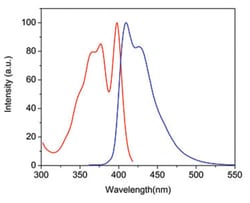
Abnova™ Fluorescent Dye 405-I Streptavidin
Fluorescence Dye 405-I with Streptavidin conjugate
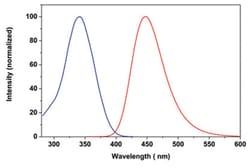
Abnova™ Fluorescent Dye 350-I Succinimidyl Ester
Water soluble fluorescent dye forms stable peptide bond with protein amino groups
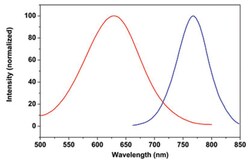
Abnova™ Fluorescent Dye 780-M Succinimidyl Ester (Red)
Water-soluble fluorescent dye forms stable peptide bond with protein amino groups
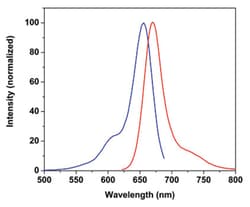
Abnova™ Fluorescent Dye 647-I Alkyne
Water-soluble fluorescent dye reacts with azide groups
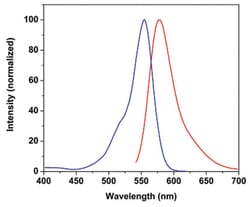
Abnova™ Fluorescent Dye 555-I Maleimide
Water-soluble fluorescent dye forms stable thioether bond with free thiol groups

Abnova™ Calcein AM
Calcein AM is a cell-permeant dye that can be used to determine cell viability in most eukaryotic cells. In live cells the nonfluorescent calcein AM is converted to green-fluorescent calcein, after acetoxymethyl ester hydrolysis by intracellular esterases.

Abnova™ Fluorescent Dye Eu-Streptavidin
Fluorescent Dye Eu with Streptavidin conjugate
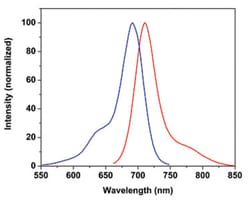
Abnova™ Fluorescent Dye 700-I Streptavidin
Fluorescence Dye 700-I with Streptavidin conjugate
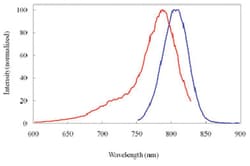
Abnova™ Fluorescent Dye 790-I Phalloidin
Fluorescence Dye 790-I with Phalloidin conjugate